Residential Demolition in Florida: What Homeowners Should Know Before Tearing Down a House

Tearing down an older home to make way for something new can be exciting. But residential demolition in Florida is more complex than just bringing in an excavator for a day.
There are safety rules, environmental concerns, permits, and utility issues that must be handled correctly. This guide walks homeowners through what to expect.
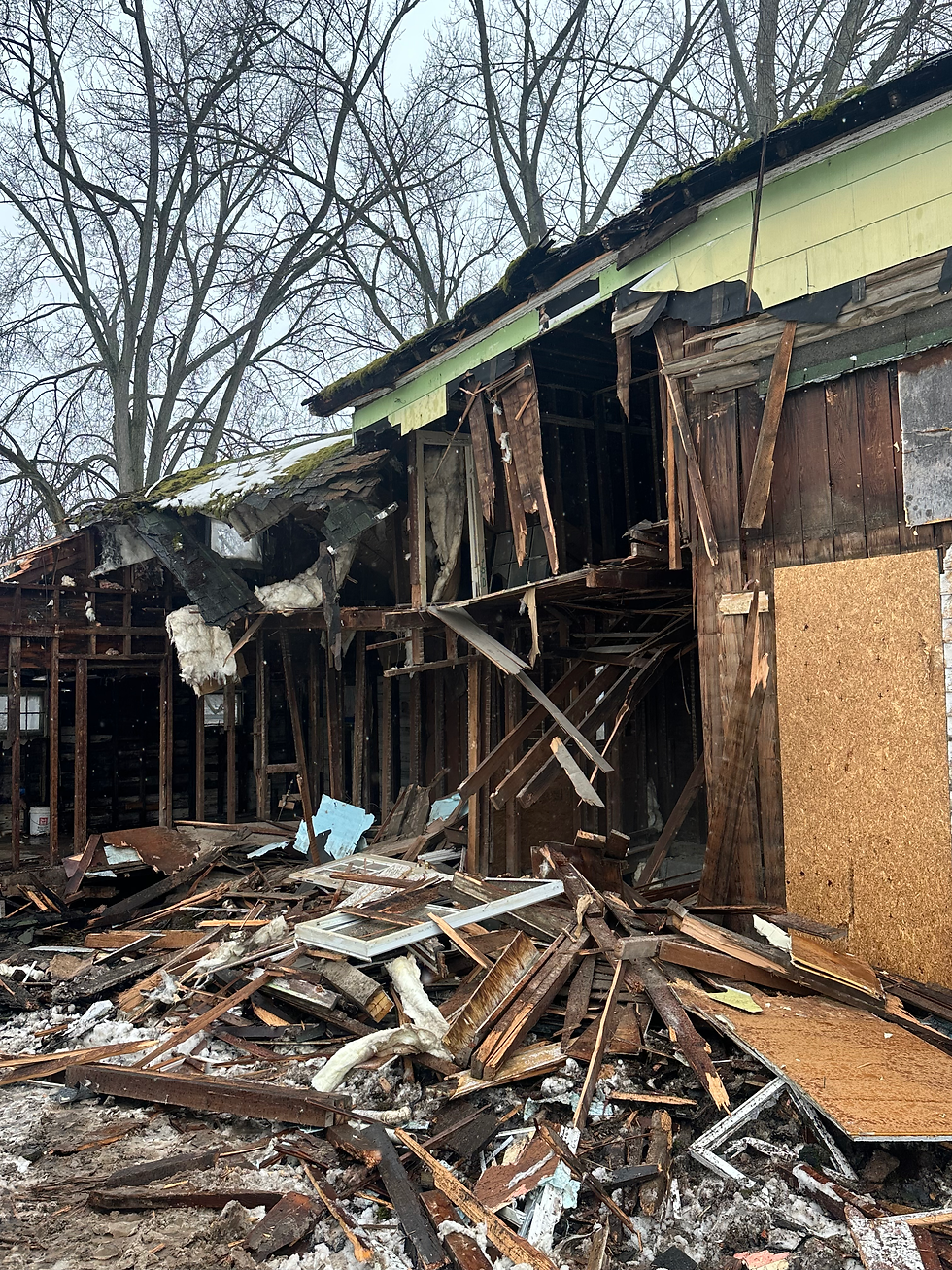
Types of Residential Demolition
Not every project requires a full teardown. Common types of residential demolition include:
Full demolition
Removing an entire home down to the slab or bare ground.
Selective demolition
Taking down certain sections (garages, additions, porches) while leaving the main structure intact.
Accessory structure removal
Demolishing sheds, detached garages, barns, or outbuildings.
The right approach depends on your plans, the condition of the structures, and local regulations.
Permits and Inspections: Why They Matter
In Florida, you cannot legally demolish a house without going through the proper permitting process. Key steps often include:
Demolition permit from the local building department
Utility disconnects and clearance letters
Inspections before and after demolition
A licensed demolition or site contractor understands how to coordinate these steps so the work can proceed safely and legally.
Safety and Environmental Considerations
Demolition work can be hazardous if not handled correctly. Key concerns include:
Asbestos and hazardous materials:
Older homes may contain asbestos, lead paint, or other regulated materials. These need to be identified and handled according to law.
Dust and noise control:
Demolition generates dust, vibration, and noise. Professional crews use methods to reduce impacts on neighbors and workers.
Site safety:
Proper fencing, signage, trained operators, and equipment checks protect people on and near the site.
Experienced contractors follow OSHA standards and local safety rules to protect workers, neighbors, and the property itself.
What Happens to Debris and Buried Materials?
A large part of demolition is dealing with what’s left behind:
Sorting and loading concrete, metal, wood, and general debris
Hauling materials to proper disposal or recycling sites
Avoiding buried debris that can cause sinkholes and settlement later
A quality contractor leaves the site clean and stable, ready for the next phase of work.
Timeline: From First Call to Clean Lot
Every project is different, but a typical residential demolition schedule includes:
Initial consultation and quote
Permitting and utility coordination
Mobilization and structure removal
Grading and cleanup
Final inspection and close‑out
Weather, access, and permit turnaround times can affect the overall schedule.
Why Choose an Experienced Residential Demolition Contractor
For homeowners, the main risks in demolition come from:
Unlicensed or uninsured operators
Poor handling of utilities and hazardous materials
Incomplete debris removal or hidden buried waste
Lack of coordination with future construction needs
Working with a contractor experienced in both demolition and site development reduces these risks and keeps the project on track.
How VanHall Services LLC Manages Residential Demolition
VanHall Services LLC offers safe, structured demolition services throughout Florida, including:
Coordinating permits and utility disconnects
Carefully demolishing structures with the right equipment
Removing debris and leaving the site clean
Regrading and preparing the lot for new construction when needed
By combining demolition with site preparation, we streamline the process and hand your builder a clean, stable site to start on.
Planning a Tear-Down or Major Remodel?
If you’re considering tearing down a home or removing large structures, involve a demolition and site development contractor early.
Share your property location and your plans. VanHall Services LLC can explain options, outline the process, and provide a detailed estimate for safe, compliant residential demolition.
Comments